
A guide to solar panels
Solar panels are one of the most popular ways of producing renewable energy and nowadays they are a common sight on the roofs of houses and businesses. There are two types of solar panel: Solar PhotoVoltaic (PV) panels, which produce electricity; and solar thermal panels, which produce hot water.
This guide will take you through how these systems work, the benefits of installing solar at your property and some things you’ll need to consider before doing so.
Solar PV
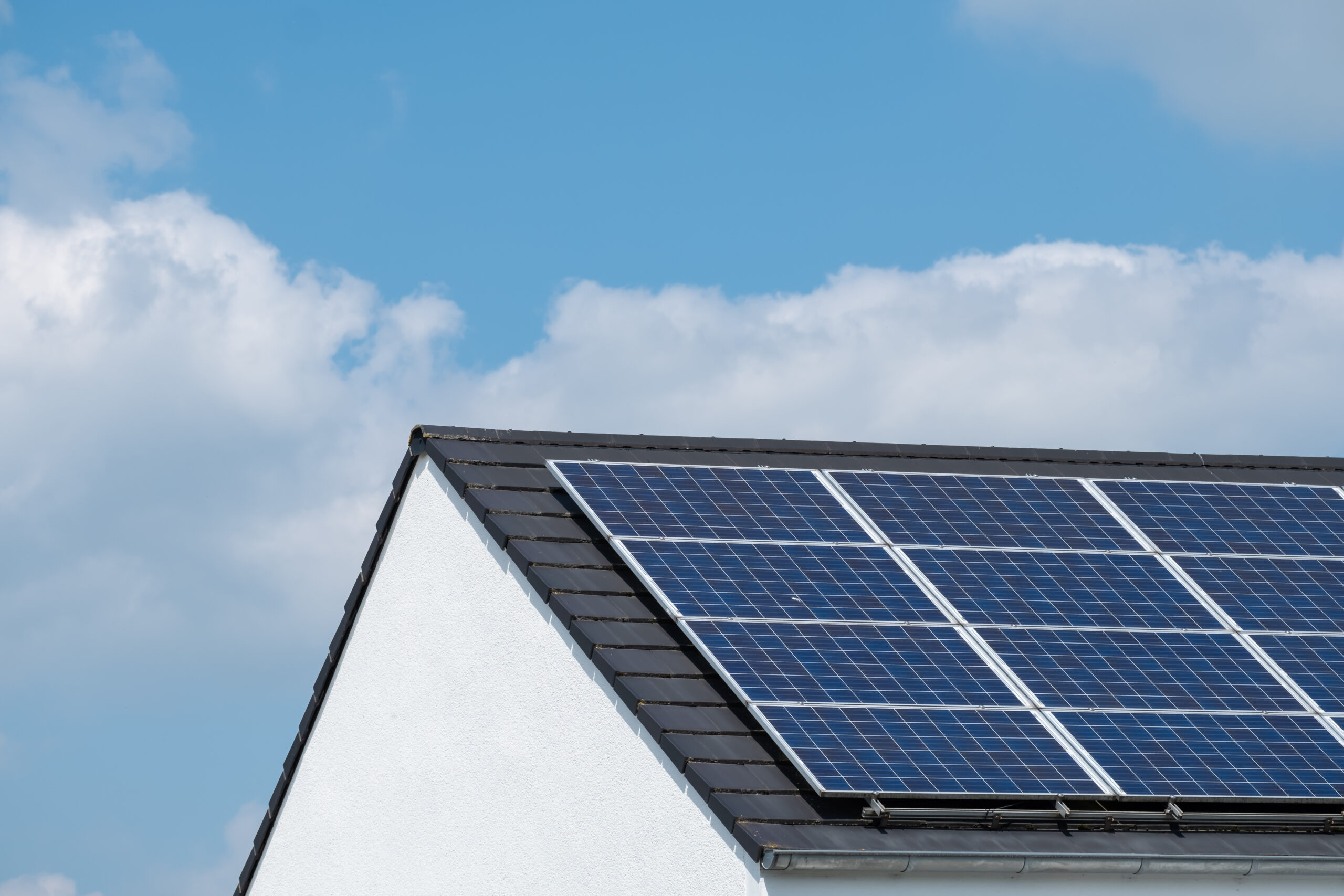
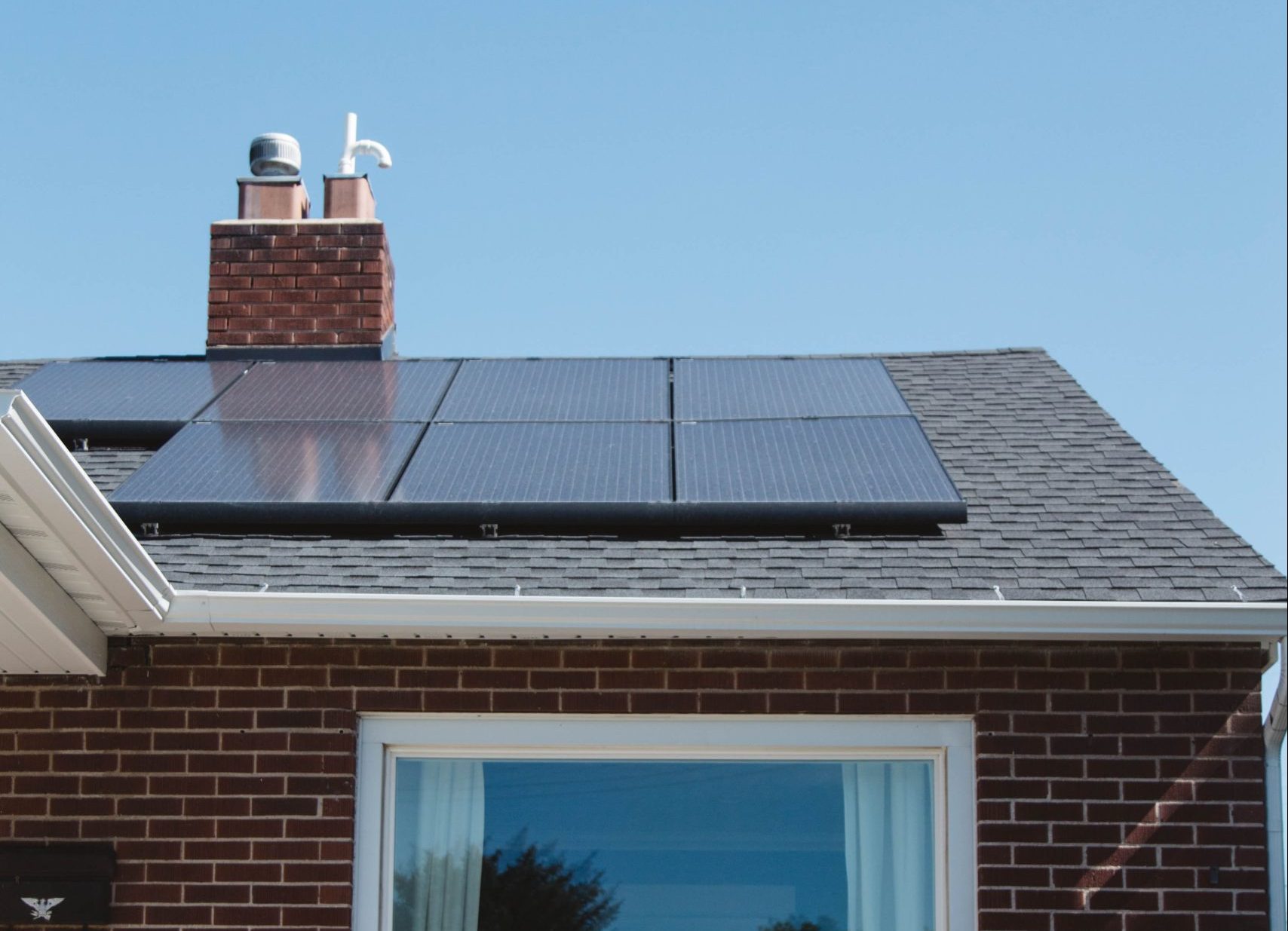
Solar technology is actually quite simple. Solar panels capture the sun’s energy using photovoltaic cells. The panels are made up of cells, each with one or two layers of semi-conducting material (usually silicon). When light shines on the cells it creates an electric field across the layers, allowing electricity to flow.
Solar panels don’t need direct sunlight to work and can still generate some electricity even on cloudy days. However, the stronger the sunshine, the more electricity will be produced.
Solar PV systems are made up of several panels, with each generating around 335W of energy in strong sunlight. Typical systems contain around 15 panels and generate direct current (DC) electricity. The electricity
used for household appliances is alternating current (AC), so an inverter is installed along with the system to convert DC electricity to AC. This electricity can then be used throughout your home or exported to the grid.
Solar tiles
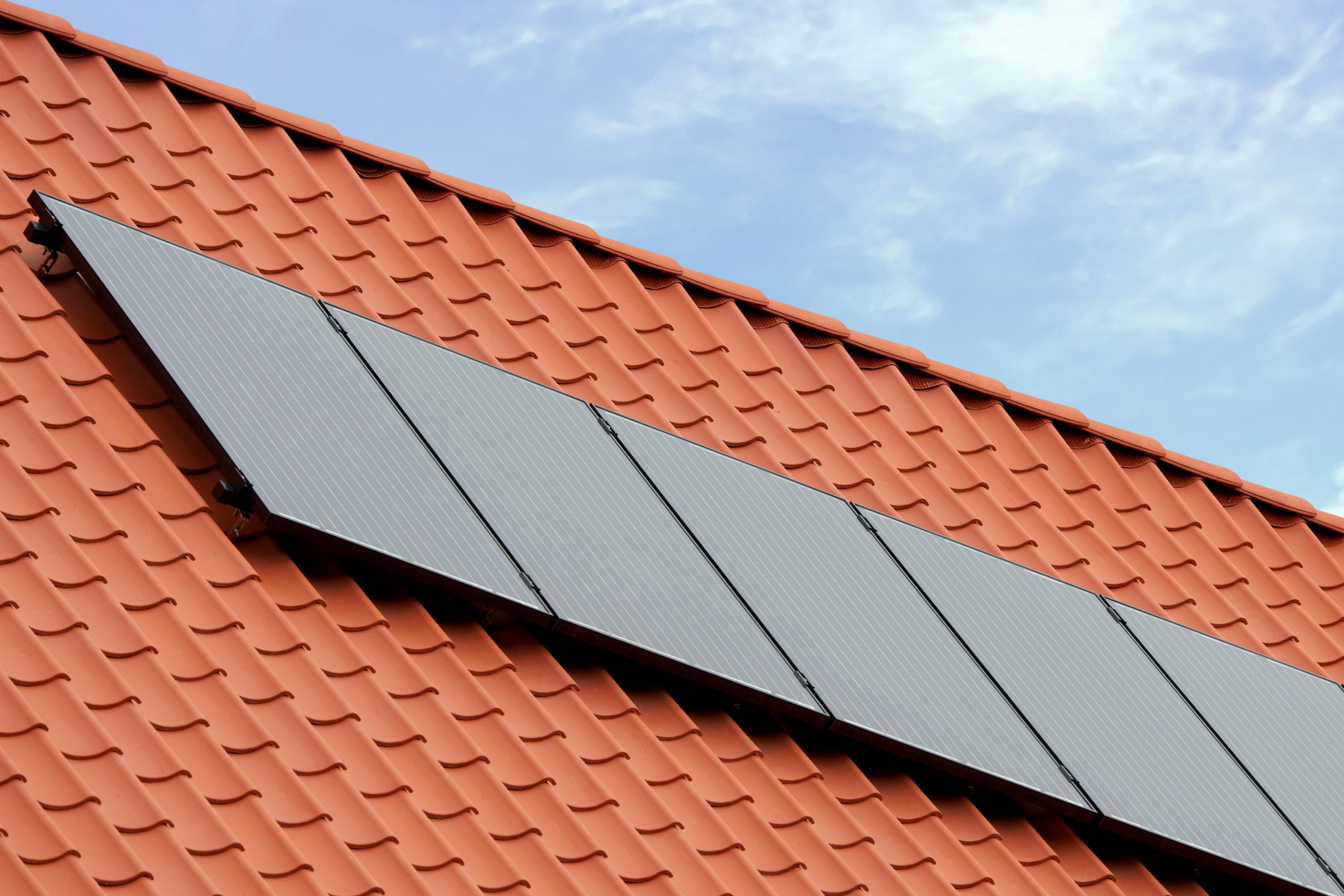
Whilst most PV cells come in the form of panels, it is also possible to install solar tiles which are designed to be used in place of normal roof tiles. Tiles offer a more seamless finish, but they are significantly more expensive (usually twice the price of an equivalent panel system). They’re usually only used in areas where
planning laws prohibit the use of panels.
Is solar PV for you?
Space
The average panel system is around 4.2kWp (which represents the peak power of the system, or the rate at which they generate electricity on a really sunny day). A system of this size will require around 25m². It’s also worth considering the size of array you’ll need for the amount of energy you use in your house. If you use a lot of electricity (for example, if you have electric heating), a larger array might be beneficial. However, if you use minimal electricity, a smaller array might suit your needs better.
Location
As well as making sure you have enough space, getting the panels in the right location will also have a big impact on the amount of energy produced. An unshaded, south-facing roof is ideal and an east or west facing roof may well produce enough electricity to make solar worth the cost. North facing roofs shouldn’t be considered. It’s worth speaking to an installer about the potential for electricity generation according to the
proposed location of the panels on your roof before you make a decision.
Shade
Anything that causes shade on your roof (such as other houses or trees) will have a negative effect on the performance of your system, but it can be difficult to avoid shading completely. Some solar PV systems can minimise the impact of shading by using ‘optimisers,’ which essentially enhance the current travelling through the cells to produce the greatest possible power production. If you don’t have any shading then ‘optimisers’
won’t work in the same way; so aren’t necessary.
Permission
Solar panels are considered ‘permitted developments’ so often don’t need planning permission. However, there are exceptions to this so it’s important to do your homework. Check with your local planning office for
guidance, particularly if you live in a listed building, conservation area or national park. If you’re planning to install a solar PV system in your home, you’ll have to register it with your Distribution Network Operator (DNO). The DNO is the company responsible for bringing electricity to your home. Usually, your installer will register the device for you. In the UK there are 14 DNO regions, and your local DNO will have to give permission for your system to be connected to the grid. The infrastructure in place is designed to bring electricity from the grid to your home, but won’t necessarily work the other way around. Whether or not you need permission in advance will depend on the size of your solar array, but it’s worth checking out before you
part with any money.
Maintenance
Solar PV panels are designed to last for at least 25 years. They’re durable and maintain their performance effectively. After 25 years, you should still expect your panels to be performing at 80% of their original capacity. They require minimal maintenance, although you should make sure they stay free of dust and debris (usually rain is enough to keep them clean on a standard pitched roof). Keeping an eye on your system and the amount of electricity it generates according to various weather conditions will give you a good sense of whether something is ‘wrong.’ The most likely maintenance you’ll have to undertake is to replace the
inverter at the end of its life (normally after around 10 years at a cost of around £800).
Costs and Savings
A domestic solar PV system of 4.2kWp will cost around £6,500. The amount you pay will be affected by the size of the system and any difficulties there are accessing your roof. A 4.2kWp array will generate around 3,400kWh of energy a year. If we take the current average unit price for electricity of 33p, that means a 4.2kWp array will produce £1,122 of energy a year. So, you can expect to save around £100 a month on your energy bill, once it’s averaged out over the year (you’ll produce less in winter and more in summer).
These figures don’t include ‘payback’ time, or the amount of time it’ll take for the solar array to pay for itself. Based on these figures, it would take between five and six years to pay for the system. It’s also worth remembering that you might not always be able to use all of this energy on site. For example, in the summer months you may produce more energy than you need. You can read more about solar battery storage and getting paid for the energy you produce, below.
If you’re considering undertaking repairs to your roof or replacing the roof entirely, this can be a good time to install a solar system as you can make use of existing scaffolding. Costs will also be affected by whether you opt for panels or tiles. Most households will use 15–25% of the electricity they generate, although you stand to save more if:
• You regularly work from home
• There are a number of people at home during the day
• You have an electric vehicle that needs charging
• You heat your home using a heat pump or electric heating
• You cook using electricity
The more you currently rely on electricity in your home (as opposed to other sources of energy, such as gas), the more you’re likely to benefit from solar power.
Get paid for the electricity you generate
It used to be common to hear people with solar panels talking about the amount of energy they are able to sell back to the grid and how generous the ‘feed in tariffs’ that set the rates of pay for this energy were. Unfortunately, this is a thing of the past, but there are still ways you can benefit from surplus solar power.
With any domestic PV system, there will be times when you generate more electricity than you can use or store, so the surplus will be exported to the grid to be used by somebody else. If you want to be paid for exporting, you need to make sure you’re getting an export payment.
You can do this by finding an energy supplier that will pay you for the surplus energy. In the UK, the Smart Export Guarantee (SEG) has been introduced to provide financial support to small-scale renewable energy generators for the surplus energy they export to the grid.
All energy suppliers with over 150,000 customers are obliged to offer the SEG, with smaller companies able to opt in on a voluntary basis. There are no minimum tariffs for the SEG, other than they have to be above £0! In reality, this means it’s up to suppliers how much they’re willing to pay for your surplus solar energy.
Getting the most out of your solar PV
Reduce your electricity use
During the day you’ll be generating electricity even when it’s cloudy, but if you’re using more power around the house than your panels are generating during this time (or at night when the panels aren’t generating electricity at all), you’ll be importing electricity from the grid.
Reducing your electricity use can help lower your bills and will reduce your carbon footprint. If you claim a Smart Export Guarantee tariff, you’ll receive a payment for every unit of electricity you sell to the grid, so turning devices off and avoiding standby will mean more money in your pocket!
The smartest way to get the most out of your solar PV system is to reduce your energy use, improve energy efficiency and electrify your system as much as possible before you install solar. If you’re already accustomed to using less energy and have made sure your home is as efficient as possible, you’ll be able to install a smaller system, which means less upfront cost and a shorter payback time. The more you rely on electricity to power your home, the greater the range of ways you can use solar, rather than having to continue relying on other energy supplies, such as fossil fuels.

Use more electricity during the day
As your solar PV system will be working flat out during the day while the sun is shining, it’s a good idea to run electrical appliances such as washing machines, dishwashers and irons during the day. Using electricity overnight is only cheaper on certain tariffs, but running high-energy electrical appliances during daylight hours while the panels are generating energy is a good place to start.
Combine with other renewable
systems
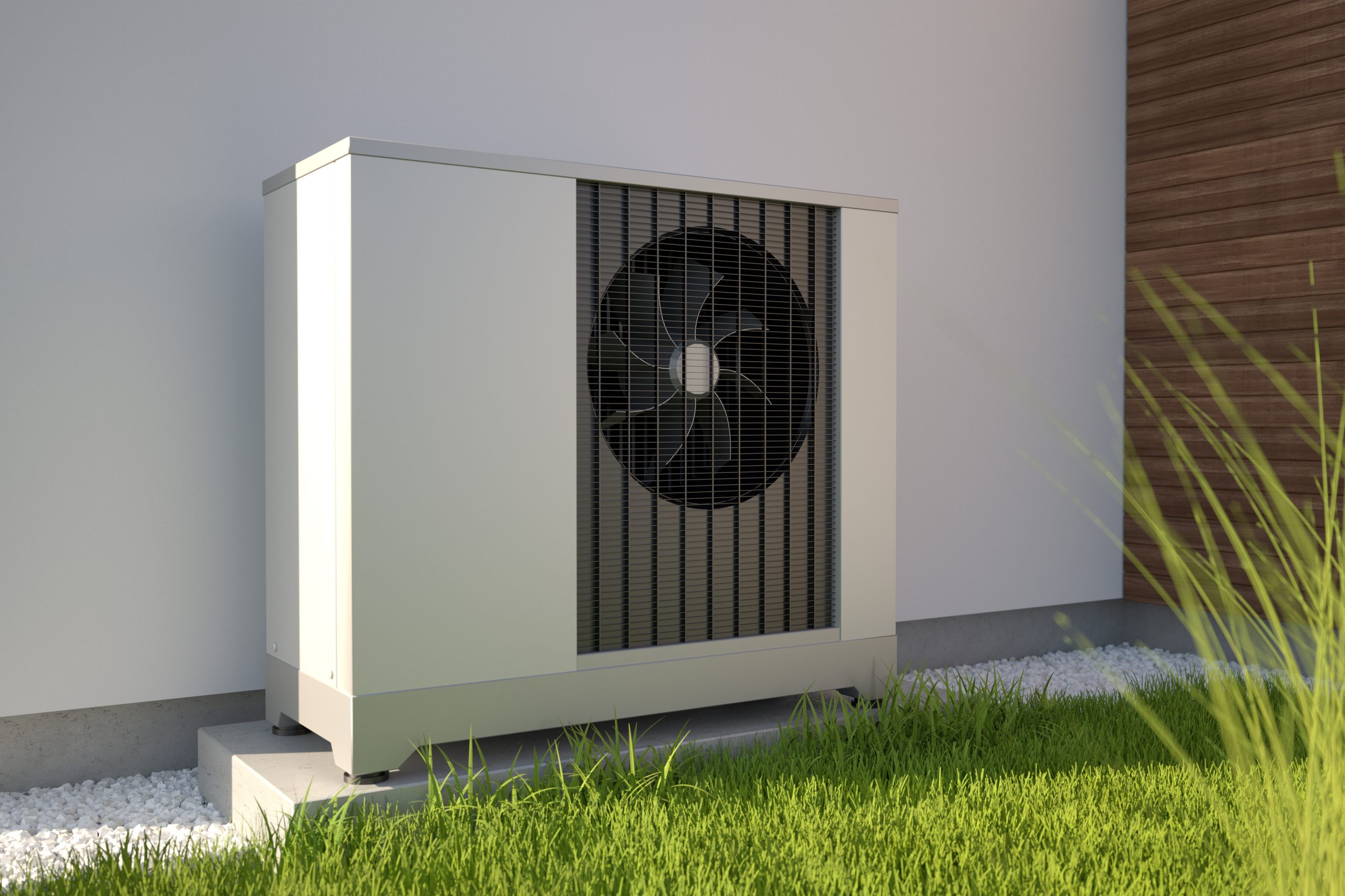
Have you considered combining solar PV with another renewable system, such as a heat pump or a solar hot water system? These technologies work in harmony with each other.
Battery storage
It’s become increasingly common to see solar PV systems combined with battery storage that allow the excess power you generate to be stored and used later. This keeps the power on site and allows you to store what’s produced in the day for use during the evening and overnight. Having a solar storage option will mean you’re importing less from the grid and if your home is off grid, it can help you reduce your use of back-up fossil fuel generators.
It’s worth considering whether a battery is right for your home. This will depend on whether you use most of the energy you produce, for example if you’re at home during the day or you have an electric heating system. A solar storage system will cost upwards of £2,000, so it’s worth thinking about whether it will benefit your home.
Solar diverters
A solar diverter is another option for using the energy your solar array produces efficiently. It effectively transfers solar power not being used in the home to an appliance, usually an immersion heater in a hot water tank. Solar diverters are effective because they sense how much energy is being generated and used in real time. They’re a small electronic box which is usually installed close to your hot water cylinder. This means that the water in the cylinder is heated by this excess energy, rather than it going to waste. The diverter will also be able to sense when it needs to stop doing this transfer and move back to supplying the home with energy directly. Diverters work differently to batteries and are usually a more cost effective option, depending on your circumstances.

Solar thermal

How does solar thermal work?
Put simply, solar thermal systems use the heat of the sun to heat your hot water, so that it’s ready to be stored in a hot water cylinder or thermal store. Solar thermal can’t be used as your only hot water source here in the UK, as sun temperature varies so widely, so it’s usually used in combination with another system, such as a conventional boiler or immersion heater.
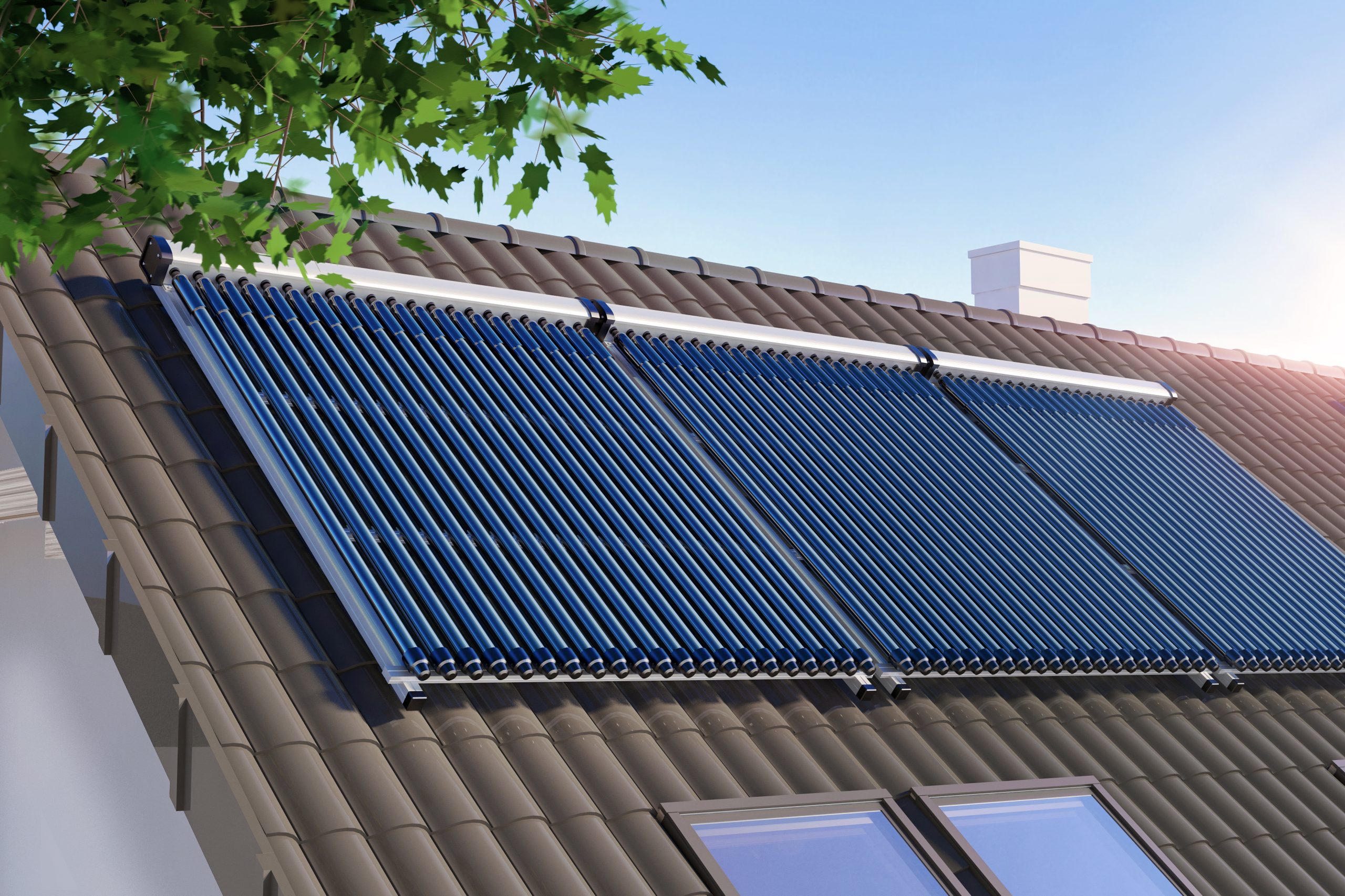
Solar thermal heating systems use panels or tubes (called solar collectors) to gather the sun’s heat. These collectors convert the infra-red portion of visible light from the sun into heat. They’re filled with a mix of water and glycol, which is pumped round a circuit that passes through the hot water cylinder or thermal store.
There are two types of solar thermal collectors:
Evacuated tubes
These are a set of glass tubes that are mounted on top of your roof tiles. The tubes contain the water and glycol mix that is heated by the sun. Each tube is a vacuum (which means they are airless), which works to minimise heat loss.
Flat plates
These are laid either on top of the roof tiles or can be integrated within the roof. Flat plate panels have an ‘absorber plate’ that contains lots of thin tubes that carry the liquid through the plate, heating up the liquid as it passes through.
When it comes to performance in the UK, both systems are very similar. Making a choice between the two often comes down to cost and whether you prefer the look of one or the other system. A good installer will be
able to talk you through the options available.
What are the benefits of installing solar thermal?
Hot water throughout the year
The system works all year round, though you’ll notice you need to heat the water even further (with a boiler or immersion heater) during the winter months. In the summer, solar thermal should supply around 90% of your hot water requirements, dropping to around 25% in the winter.
Lower carbon footprint
Solar thermal is a renewable heating system, so although you’ll have to use it in combination with other sources of heat, it will still reduce your carbon footprint.
Costs and savings
The cost of installing an average sized solar thermal system (around 4m2 ) is usually between £3,000 and £5,000. An average domestic solar thermal system should provide around 60% of your total hot water needs over the course of a year. Sunlight is free, so your hot water costs will be reduced all year round.
Is solar thermal for you?
Locating the panels
When choosing the best location for solar thermal panels, the same principles apply as if you were installing solar PV. Aspect, angles and any shady spots should all be taken into consideration.
Storing the hot water
You will usually have to replace your hot water cylinder with a dedicated solar cylinder or add a dedicated cylinder with a solar heating coil. Whichever option you go for, it will take up more space than an average hot water cylinder, so you’ll need to make sure you’ve got enough space.
Compatibility with your existing
hot water system
Most conventional boiler systems (that have a hot water tank) are compatible with solar thermal, however if you have a combi boiler you almost certainly won’t have a hot water cylinder, which means you’ll have to add a solar cylinder to your system.
Planning permission
Most solar thermal systems are considered ‘permitted developments’ and won’t need planning permission. However, exceptions do apply so you should check with your local planning department. Just as with solar PV, if you live in a listed building, conservation area or national park, more restrictions may apply.
Maintenance
Solar thermal systems are low maintenance. All renewable technologies should be installed under Microgeneration Certification Standards (MCS). This will ensure you system comes with a five-year workmanship warranty and 10 years or more for the panel warranty.
Once fitted, your installer should leave written details of any maintenance checks that you can carry out to ensure everything is working properly. This normally includes checking a pressure gauge to ensure there are no leaks.
You should have your system serviced thoroughly every five years. This will involve draining and flushing the system and replacing the fluid, which is important because over time the anti-freeze protection offered by the glycol will reduce. Leaving it longer than this could have a negative impact on the system’s performance.
If you’re leaving for a summer break, you should leave your solar water heating system running. Some solar controllers offer a ‘holiday’ function that will help protect the system if you are away for a few days – but don’t forget to turn it off when you return.
Installing solar panels
Finding an installer
Finding the right person to carry out major work to your home can be a daunting challenge. To help property owners make the right decision, we run an established database of suitably qualified local installers. To get started, simply visit the Link to Energy website and enter your postcode or town.
Grant funding for solar panels
Occasionally, there is grant funding available to help households install solar panels. These grants are always subject to strict eligibility criteria, so it’s important to find out more before making any plans. For more information or for details of current grant schemes and initiatives that may be able to help you fund solar panels, contact our team of friendly energy advisors on 0800 500 3076.