
A guide to condensation and ventilation
This guide takes you through the connected issues of condensation and ventilation. The first section deals with condensation and some of its related problems. The second section takes a closer look at ventilation and how you can ventilate your home most effectively.
Condensation
Condensation occurs when moist air comes into contact with a colder surface, such as a wall, window or even a mirror. The air can’t hold the moisture, so tiny drops of water appear. Restricted air flow can also cause condensation, which is why you sometimes see it in places where there are small ‘gaps’ of space, such as behind a wardrobe.
Condensation can lead to damp, which in turn can lead to mould. Signs of damp include black mould (often in corners of rooms or behind furniture), rotting window frames, peeling wallpaper and a damp, musty smell. Damp creates an unpleasant living environment, but it’s also bad for your health, particularly for those prone to allergies or who suffer from respiratory issues.
What causes condensation?
There are four main causes on condensation:
- Production of excess moisture in the home, such as from cooking, showering or drying laundry
- Inadequate ventilation, which means that moist air can’t escape
- Inadequate heating because cold air is not as effective as holding water vapour
- Insufficient insulation, which means the property is unable to retain heat effectively and is more likely to have cold walls and ceilings.

What other ways can moisture get into my home?
In addition to the four main ways condensation can develop in your property, moisture can enter the home in a number of ways.
- Rain can get into the property through leaky roofs, blocked or damaged guttering and poorly fitter windows and doors
- Leaks from plumbing faults, faulty appliances and poorly sealed baths and showers can quickly build up. This can be especially difficult to manage as you often can’t see faults like this.
- Ground water can rise up through the walls and floor if your damp proof course isn’t working effectively
- We add moisture to our homes all the time without thinking about it. Our pets and house plants all produce extra moisture. Even breathing adds to the amount of moisture in the home!


How can I combat condensation?
There are ways to reduce condensation that address each of the condensation types listed above.
Produce less moisture
- Dry clothes outside whenever possible
- If you have a tumble dryer, ensure it’s adequately vented
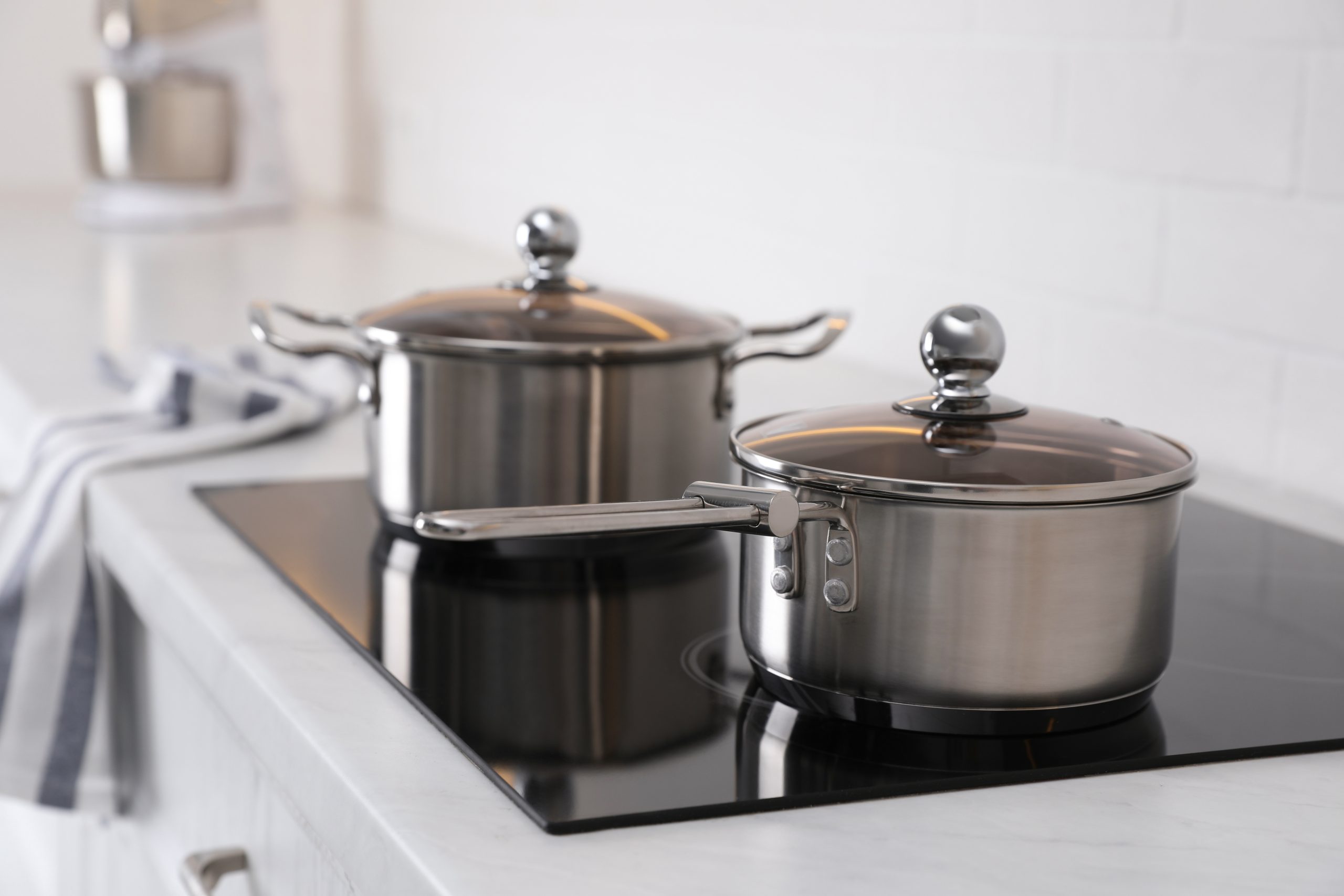
- Cover pans when cooking to prevent excess moisture escaping
- Close internal kitchen and bathroom doors when you’re cooking or showering, to keep excess moisture in the one room
- If you have an extractor fan, turn it on whilst cooking, or open a window to allow for ventilation. You should then turn the fan off (or close the window) before you open the kitchen door. This will reduce the amount of heat you lose.
- If you’re running a bath, add cold water first, then fill up with hot. This reduces the amount of steam produced.
Improve ventilation to allow moist air to escape
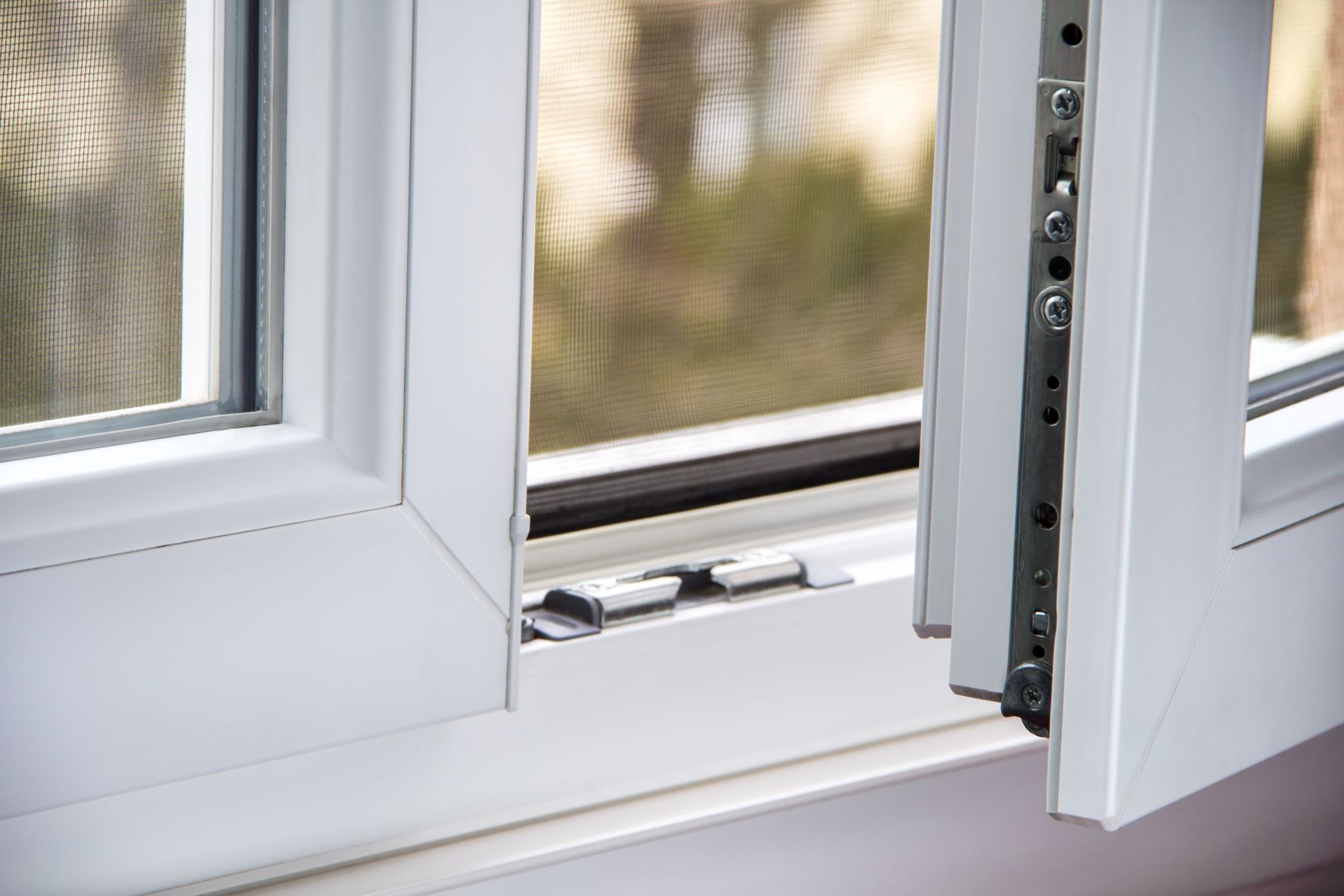
- Open trickle vents in windows when rooms are occupied
- Open windows for a few minutes several times a day
- Open windows whenever they steam up
- Use extractor fans in your kitchen and bathroom(s) and make sure they’re working effectively (you can place a piece of toilet paper over the fan to check it is drawing in air)
- Leave a gap between walls and furniture to allow air to circulate

Heat your home a little at a time
Against the backdrop of the current energy crisis, no one wants to waste money heating rooms they don’t use. However, very cold rooms are much more likely to suffer from damp and mould. If you have central heating, you could set the thermostatic radiators valve to 1 in unused rooms, to that the radiator will give out a small amount of heat when the heating is on. If you don’t have central heating, you could consider using a heater that has a timer and temperature control. Remember, unused rooms will need airing from time to time.
Insulate and draft proof your home
Insulation is the key to keeping your home warm and ensuring that precious heat doesn’t escape. Warm homes are also less likely to suffer from condensation, so insulation plays a key role here too. Insulating your loft is really important, as heat rises. The recommended depth for loft insulation is 270mm (about eleven inches). Windows and external doors should also be draught proofed. If you have single glazing and installing double glazing isn’t an option, you could consider adding secondary glazing. This involves installing a second pane of glass behind the existing pane, on a separate frame.
Some other things to consider
Cold spots will attract moisture. If there’s a gap in your loft insulation for example, this could attract condensation and potentially cause mould. Look out for cold spots where you already have insulation, as well as around doors and windows.
If you have an extractor fan, always ensure it’s on while you’re cooking, showering or having a bath. Leave your window vents open and ensure other vents aren’t blocked.
If you have problem areas, such as the corner of your bedroom behind a wardrobe, consider adding more ventilation. This could take the form of an external vent or a more powerful extractor fan in a particularly damp bathroom.
You can catch condensation dripping from windows with condensation channels and sponge strips. These simple solutions are available from DIY shops.
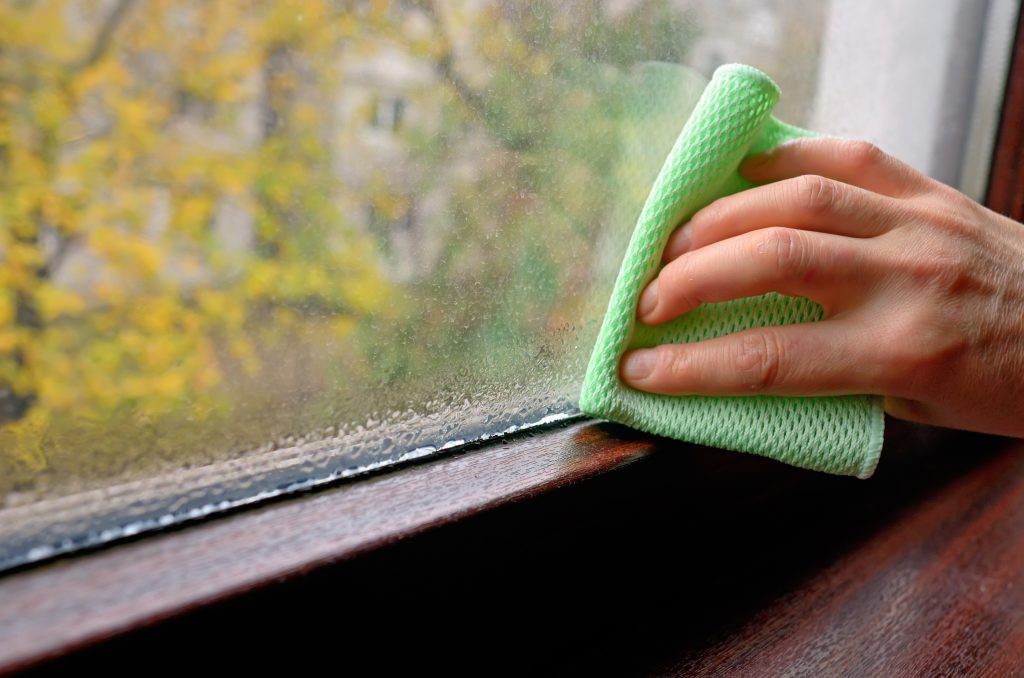
If you notice condensation building up on your windows and window sills, you can give them a wipe over in the morning. This will prevent the excess moisture sitting in the room and potentially causing further problems, like damp or mould.
In extreme cases, you could consider investing in a dehumidifier. This will help reduce the moisture in the air, however they are expensive to buy, and larger models especially can be expensive to run.
If you’ve already got mould, there are ways to deal with it
If condensation is already causing you problems and you’ve got mould growing in your home, it’s important that you remove it. One effective method is to start by cleaning off the mould using a spray that contains bleach. This will help to deal with the staining that mould can leave behind on your walls. Once you’ve done this, leave the area to dry overnight, then spray again with an anti-fungal wash and allow that to dry. Make sure you always follow the manufacturer’s instructions when using products like this, as they can be harmful. Consider wearing a face mask when spraying. Once you’ve completed this process, you could think about treating the affected area with a mould resistant paint, which you can purchase at most DIY shops.
I’ve tried everything but my property is still damp
If nothing we’ve suggested above helps your damp problem, it might be that condensation isn’t what’s causing it. There are other causes of damp, the most common of which are:
Penetrating damp
This form of damp is caused by moisture entering the house through leaking pipes, a damaged roof, blocked gutters, gaps around window frames and cracked or defective rendering and brickwork. Dealing with these structural problems should treat this form of damp.
Rising damp
This form of damp occurs when the damp course (a protective barrier that stops moisture moving from the ground into the property) is either defective or hasn’t been installed at all. This will leave a tide mark of damp around one metre above the floor inside your home. If you have rising damp, it will need to be treated by a qualified professional.
Ventilation
Put simply, ventilation is the deliberate introduction of external air into the property to provide fresh air, remove pollutants and regulate the temperature inside. This is different to something called air infiltration, which isn’t planned and takes the form of draughts that you’ll feel as cold spots around the home.
Ventilating your home properly ensures you’ll have good indoor air quality by removing potentially harmful pollutants, such as allergens, cooking fumes, and chemicals such as those found in paints, carpets and other household items.
As we already know, ventilation is key to tackling condensation
Ventilation is an essential part of regulating the level of moisture in your home. Moisture in the home is almost always caused by human activities, like showering, cooking, drying clothes and breathing. Water might also enter the property through the fabric of the building. When it comes into contact with cold surfaces, the moisture in the air forms water droplets, otherwise known as condensation. As we’ve covered above, condensation can lead to problems such as black mould, which is harmful for our lungs. Over time, damp and condensation can cause damage to your property, such as wood rot and warped plaster.
The amount of moisture in the air is measured by something called relative humidity. This describes how much water vapour is in the air by percentage. It’s affected by the air temperature, because hot air can hold more moisture than cold air. Ideally, internal relative humidity should be between 40 and 60%.
Ventilation can also prevent your property from becoming too hot. This is more likely to occur if you live in a city, in a top-floor flat or in a property that is well-insulated but poorly ventilated. However, overheating is becoming an increasingly significant problem regardless of where you live, as a result of the effects of climate change.

Do all rooms need ventilating in the same way?
As we make our homes more and more energy efficient, we also make them more air tight, which reduces ventilation. You might not think of it this way, but draught-proofing, adding insulation and introducing less breathable building materials makes your home more air tight in the process. All buildings need ventilation, whether they’re 200 years old or brand spanking new.
Ventilation is necessary in all rooms, but some more than others. High-moisture areas such as kitchens and bathrooms will require more ventilation. Removing moisture as it’s produced (by using extractor fans or opening windows) will prevent it from spreading to other areas of your home and causing condensation.
Rooms that have less moisture in the air, such as bedrooms and living rooms can simply be ventilated by keeping trickle vents on windows open and opening windows and doors when necessary. However, it’s important to remember that all homes have some areas that experience poor air flow where damp can build up. Ensure there is a gap between your furniture and the wall to allow for air circulation, or drill ventilation holes into cupboards and wardrobes. If possible, avoid overfilling them with clothing too!
If you heat your home using a gas or solid fuel heater, you will require additional ventilation. Either a direct air feed or an air brick in the exterior wall will help to prevent the build up of carbon monoxide. If you use heaters like this, you should install a carbon monoxide alarm.
Does ventilation stop at opening windows and doors?
Ventilation systems actually come in lots of different forms and vary in size and design.
Natural ventilation
Not surprisingly, the easiest way of ventilating your home is to simply open the windows. It might seem obvious, but it is easy to forget, especially if it’s raining or cold outside. If you leave your windows open too long (particularly in colder weather) it can lead to excessive heat loss and could pose a security risk, so it’s important to keep an eye on which windows you have open and for how long.
Passive ventilation systems
‘Passive’ refers to a system that is doing the work in the background. Features like trickle vents or air bricks are built-in and use differences in pressure between the outside and inside to force stale air out and draw fresh air in. This means that they don’t perform as well on very still days and their ‘passive’ approach mans they might not provide enough ventilation in very air-tight properties.


Intermittent extract
This covers the type of extractor fan you’ll often get in a bathroom or kitchen, controlled by a light switch, timer or sensor. They are a relatively inexpensive and simple solution, but they’re not always sufficient for very air-tight properties or properties that are suffering from considerable damp.
Positive input ventilation (PIV)
In this system, a fan in the loft continually draws outside air into the home. This then forces stale air out through trickle vents and the fabric of the building itself. This is a simple option but it’s usually costly to run and can cause comfort issues when cold air is forced into rooms.
Mechanical extract ventilation (MEV)
Centralised MEV systems use a single continuously running fan unit to extract air from rooms. They can be controlled partly by a humidity sensor. The single separate fan minimises drafts and reduces energy use. However, this is not a simple option as the systems are complex and expensive to install. They also require ample space for ducting pipes.

Mechanical ventilation with heat recovery (MVHR)
These systems operate in a similar way to MEV systems, but extracted air is also passed through a heat exchanger which warms up the incoming fresh air. This leads to improved energy efficiency and comfort, as the air entering the home is warm rather than cold. However, as with MEV systems this is a more complex solution that requires additional maintenance, such as the regular changing of the filters. Installation is also complex because a lot of space is needed. MVHR systems are more commonly found in new builds or homes that have been fully retrofitted. Decentralised systems that use multiple fans with individual heats exchangers are also available.
Some other things to consider
Make sure your existing extractor fans are working properly. Clean out the filters if necessary and find out whether you can alter the timer so that they stay on for longer.
When you’re decorating or buying new furniture, look for options that are low in something called ‘volatile organic compounds.’ This will help to improve air quality as there will be fewer long-term pollutants inside your home.
Tackle moisture at the source, by drying clothes outside (whenever possible) and keeping the lids on pans when you’re cooking.
If you have air bricks in the walls, make sure you don’t cover them. Keep trickle vents open all the time.
If you’re concerned your home might be too damp or too dry, you can use something called a hygrometer to measure the air temperature and relative humidity.
If you have a cooker hood extractor, check whether it extracts outside or simply moves the air up towards the ceiling, meaning it still stays inside the room. You should also keep an eye on the filter and clean it whenever necessary.