A guide to...
Wind power
Small-scale wind turbines (sometimes referred to as micro-wind) can be used to generate electricity for your home. About 40 per cent of all wind energy in Europe blows over the UK, making it an ideal country for domestic turbines.
The benefits of wind power
Using wind power will reduce your electricity bills. Wind is free, so once you have paid for the initial installation you will be producing free electricity for your home.
How do wind turbines work?
Wind turbines use the power of the wind to drive a turbine that produces electricity. This electricity can be used locally, exported to the grid or stored in batteries ready for future use. Most small turbines are pole mounted and these are usually between 5kW and 10kW in size. They typically stand just 10 to 50 metres tall, making smaller turbines roughly the same height as a large tree, house or agricultural outbuilding*ii.
It is possible to purchase roof mounted turbines, but these are not recommended due to their low efficiency and the fact that they can affect the structure of the building to which they are attached.
However, very small turbines can be useful when attached to boats or other off-grid applications such as signposts or caravans.
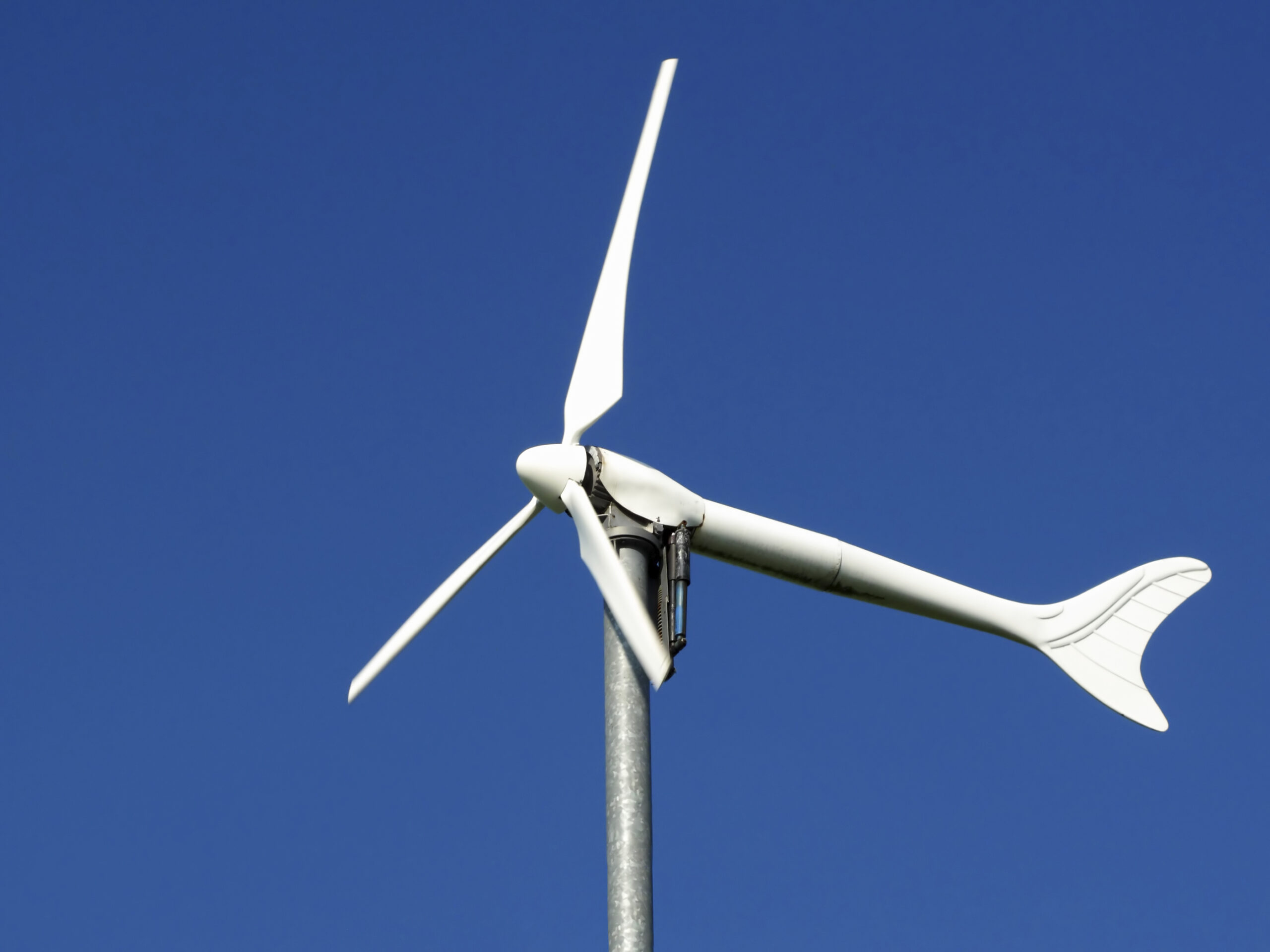
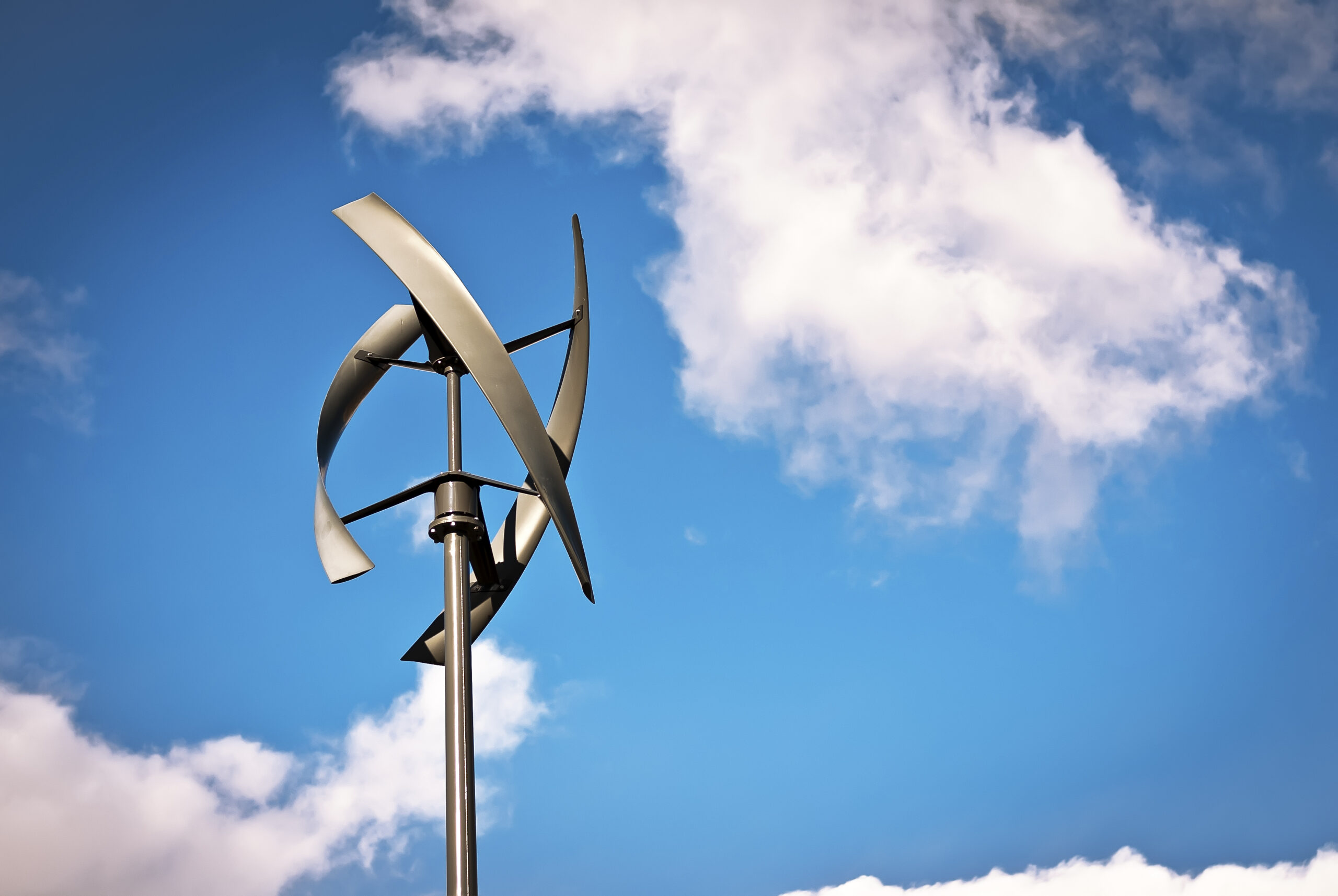
There are two main designs; horizontal axis and vertical axis.
Is wind power right for you?
Costs
The cost of a system depends largely on its size and how much electricity it can produce. Fully installed, a 2.5kW system is likely to cost between £9,900 and £19,000. A 6kW system is likely to cost between £21,000 and £30,000.
Savings
A well-sited 6kW turbine is likely to generate around 10,000kWh of electricity per year*iv. The average annual electricity consumption of a UK household was 3,620kWh in 2015.
Maintenance
Maintenance checks should be carried out every few years. These usually cost around £100 to £200, depending on the size of the turbine. A well-maintained turbine should last at least 20 years, but you may need to replace the inverter at some stage during this time, at a cost of £1,000 to £2,000 for a large system. At the end of their life, they can (subject to planning) be replaced by newer and better turbines, or removed altogether, with the land restored to its original use.
With off-grid systems, the batteries will also need replacing approximately every 6-10 years. Costs for this vary significantly depending on the design and size of system.
Things to consider
Location
For a wind turbine to work most effectively you need an exposed, windy site that is not too close to buildings or other obstructions. You can check the wind speed at various locations using the national wind speed database at www.tools.decc.gov.uk
Connecting to the grid
You need to check that the turbine can be easily connected to your property and the local grid via your DNO (Distributed Network Operator).
Planning permission
It is likely that you will need to apply for planning permission for your wind turbine. It is advisable to talk to your neighbours and local authority about the project early on, working with your installer to ensure you get the application just right.
Common concerns:
Noise
Although wind turbines will produce low levels of noise, modern turbines produce much less noise than older ones and it is possible to stand underneath a modern turbine and hold a conversation without having to raise your voice. At higher wind speeds, the noise of the wind masks the noise made by the turbine.
Flicker
Some people worry about light flickering off the turbine blades. However, an independent study published by DECC in 2011 found that there have not been extensive issues with shadow flicker in the UK and that the frequency of any potential flickering caused by wind turbine rotation is such that it should not cause a risk to health.
Bird and bat strikes
The RSPB reports that so long as wind turbines are located away from major migration routes and important feeding, breeding and roosting areas, it is likely that they will have minimal impact.
Finding an installer
We provide a list of local installers of energy efficiency and renewable energy measures, accessed through a website which is free to use. This local network of installers is called Link to Energy.
Through the Link to Energy website you can find the installers nearest to you that offer different measures and their accreditations will be listed.
To get started, simply enter your postcode or town. Alternatively, you can call our advice line on 0800 500 3076 and one of our advisors can provide you with advice and make referrals to suitable companies on your behalf
More advice
Our advisers are on hand to answer any questions you may have, and may also be able to offer you a free home visit to provide in-depth advice specific to your property and needs. Give us a call on 0800 500 3076 for more information.