
A guide to heaters and fires
There are two main ways a property can be heated:
1. A central heating system, where the heat is produced in one place (usually a boiler) then distributed round the home (usually via radiators)
2. Individual heat production, where there are heaters or fires in each room of the property, but no central source of heat. This guide looks at individual heat production, which includes sources such as fires and storage heaters.
Night storage heaters

One common form of heaters are night storage heaters, which store heat generated by cheaper night time electricity to be used the following day. They contain an electric element which sits inside a ceramic or concrete block. The element heats up during the night, to take advantage of lower electricity prices, then transfers its heat to the block where it’s stored until the following day.
Most storage heaters are fitted to the wall and look similar to radiators. The main advantage of this type of heating is that the energy is consumed when rates are cheaper, and simply stored for use when rates are more expensive. Don’t be confused by the name though. They’re called night storage heaters but you can use the heat at any time.
Economy 7
To benefit from cheaper night time electricity, homes with storage heaters are often on something called an ‘economy 7 tariff,’ which means that electricity is cheaper for seven hours of the night. You’ll have a single meter with two separate tariff readings. The specific hours that Economy 7 operates in are different depending on the time of year and your supplier. In the winter, the cheap hours are usually from midnight until 7am. In the summer, this changes to 1am to 8am, although this can vary.
Economy 7 isn’t the only suitable tariff for night storage heaters, so it’s worth asking your supplier what could work for you. It’s also important to note that as part of the current energy crisis and related price cap increases, many suppliers are no longer offering Economy 7 tariffs.
Controlling night storage heaters
Controlling storage heaters is fairly simple, although you might have to practice using them at first. They use an input and an output setting that need to be altered daily depending on how much heat is required. The input setting determines how much heat is stored overnight. The output setting determines how much of this stored heat is released.
Whether you have to set the input settings of your storage heaters manually depends on when they were installed. To set the input on older storage heaters, you need to keep an eye on the weather forecast to predict how much heat you’ll need to store overnight.
If you have more modern storage heaters, they might well be equipped with automatic weather compensation, which will automatically adjust the amount of heat stored depending on the outside temperature.
Learning to use the input and output settings can help to reduce the amount of energy you use and save you money. Although night rate electricity is cheap, you still don’t want to pay for more than you need. If it’s not that cold or you’re not going to be at home much the next day, you don’t need to set the input to maximum as it will cost you money to store heat you’re not going to use.
Similarly, setting the output correctly will mean you don’t have the heat so high you run out before the end of the day. If you adjust the output gradually over the day, you should still have heat left for the evening. When you don’t need the heat to be at a higher temperature (for example overnight or when you’re out of the house), you can set the output to minimum to make sure you’re not wasting the heat that you’ve paid for.
Some storage heaters have a ‘boost’ function, which you can use if you’ve run out of stored heat. This function uses the more expensive day rate electricity, so should be used with caution.
High heat retention storage heaters

Modern storage heaters have been improved in terms of efficiency and ease of control. New models will hold heat for longer periods and include better insulation to ensure that heat stays within the heater until it’s needed. A number of modern storage heaters include fan-assist, where a silent fan helps to dispel the heat more efficiently. Many of these heaters also feature a thermostat and programmer, which means they are much simpler to operate than night storage heaters. They require less active management, and you can set the heat to be released at a time that suits you.
The most efficient of these modern types of heater are something called ‘high heat retention storage heaters.’ These heaters have the features of the modern heater described above, whilst also having a much greater capacity for heat retention. They can also ‘see into the future’ and provide an estimate of the next day’s heating demand, based on your energy habits and the weather. This means you don’t have to worry about adjusting input settings, making using high heat retention storage heaters a much less stressful and time consuming experience than traditional night storage heaters. Replacing standard storage heaters with a high heat retention model could cut your energy use by up to 27%.
Other types of electric heater


Above from right to left: halogen heater, oil-filled radiator, convector heater and fan heater.
There are a range of electric heaters available, which are most commonly used as a back up or additional source of heat, rather than as the primary source of heating. Oil-filled radiators and convector, fan and halogen heaters all fall into this category.
Things to consider if you use this type of heater
- Electricity is more expensive than gas or oil, so electric heating tends to be more expensive by comparison. As energy prices rise, you might be tempted to heat one room using a heater like this, rather than using the central heating to heat that room. However, this can end up being more expensive and can be bad for your health and the health of your home. Plug-in electric heaters are often the most expensive way to heat a room.
- Extra care should be taken around children and vulnerable adults due to the high temperatures that these heaters reach, which often makes them hot to the touch.
- Fan heaters draw in surrounding air and halogen heaters often move from side to side, which means they should be given plenty of surrounding space.
- This type of heating device often has very limited control options, which means energy is often wasted. If you need to purchase this type of heater, look out for a model with thermostatic controls, which means you can set it to switch off once a certain temperature has been reached.
I have to use an electric heater, but which one should I go for?
How you want to use your heater will determine what model will work best for you.
If you’re heating a whole room for a prolonged period of time (a few hours or longer), you should use a convector heater. These work by warming the air immediately around them, which then circulates around in room. Convector heaters can take a little longer to work but are easily controlled using a timer and thermostat. This means you won’t overheat the room and waste excess money and energy.
If you’re heating a room for a short period of time, a radiant heater is your best option. This type of heater is quick to work and offers more directional heating (you can direct the heat exactly where you want it). Over time, they won’t bring the same level of comfort as a convector heater as they don’t heat the room evenly. Running a heater like this also tends to be more expensive, as they rarely have timers or thermostats.
Electric heaters are usually referred to as 100% efficient, because they turn all the electricity they consume into heat. Don’t be fooled though, this doesn’t necessarily mean they’re cheap to run.
The table below looks at some average electricity costs based on a range of electric heaters. All calculations have been carried out using rate available during the current energy price guarantee, based on the price per unit for customers paying by direct debit.
|
Heater
|
Heat Source | Typical power rating | Running cost per hour |
|
Halogen heater
|
Radiant | 1.2 kW | 41p |
|
Oil-filled radiator
|
Convector | 1.5 kW | 51p |
|
Convector heater
|
Convector | 2 kW | 68p |
|
Fan heater
|
Radiant | 2 kW | 68p |
|
Bar fire
|
Radiant | 2 kW | 68p |
These figures use average tariff rates available in the current price cap period (1st April–30th September 2022) to ensure they are as accurate as possible, however they are indicative of the average cost of each heater. The amount you pay for your electricity (and therefore the cost of running a heater per hour) will also depend on your supplier and how you pay (direct debit, quarterly or prepayment).
Gas fires and fixed gas heaters
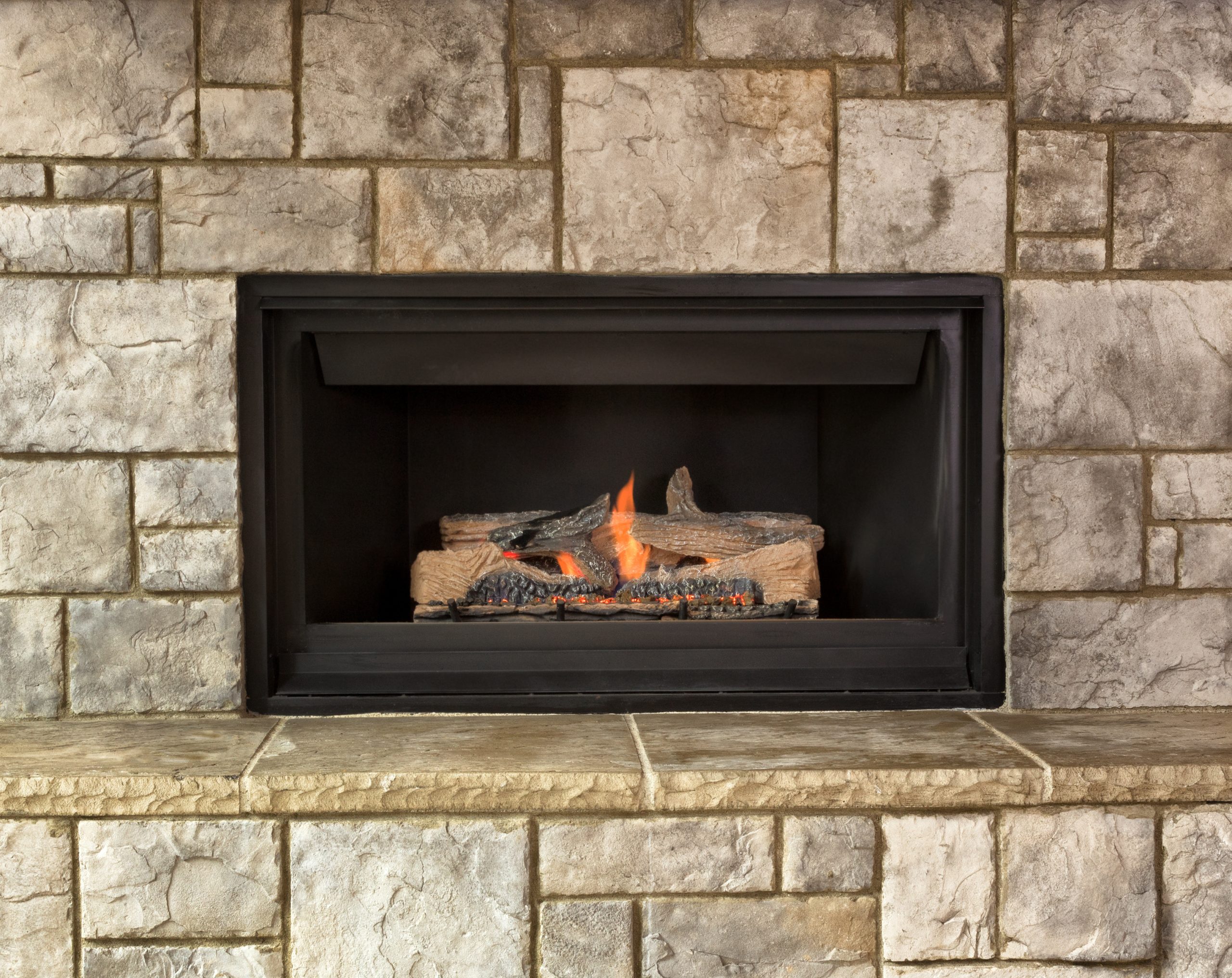
Gas fires and heaters come in a range of styles. If you’re looking to purchase a new one, the most important thing to consider is its efficiency, which means the amount of energy contained in the gas that is actually converted to heat. Older models are likely to lose as much as 50% of their heat via the flue, whereas modern versions retain a much higher proportion of the heat they produce. This means they use less gas and are therefore cheaper to run.
All gas heaters are sold with both a heat output rating and an energy efficiency rating, which should be considered together. Heat output tells you how much heat will be provided to be room. If two heaters have the same heat output, the heater with a higher efficiency rating will be cheaper to run. This is because it will use less gas to provide the same amount of heat.
Solid fuel fires
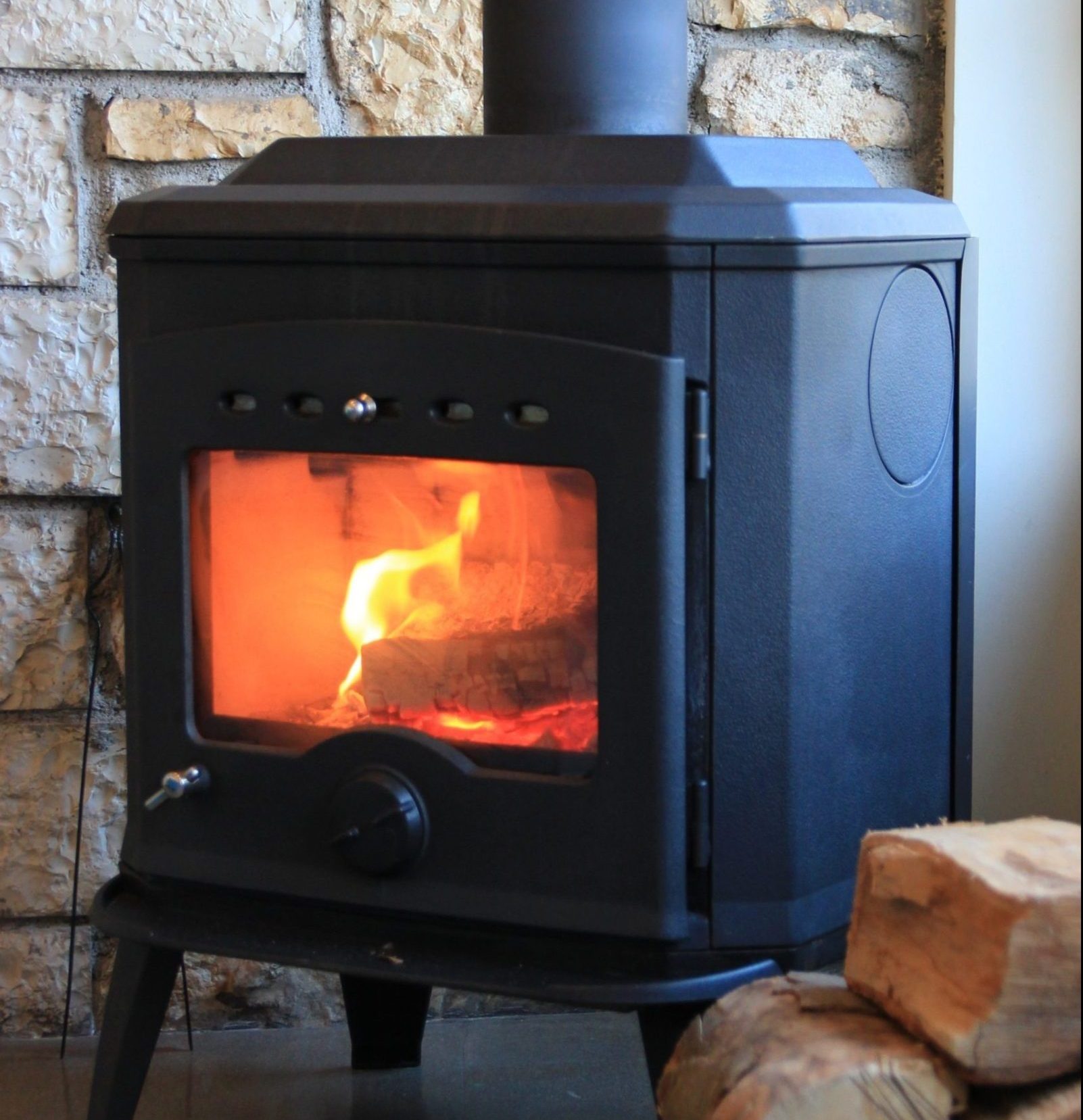
Solid fuel fires burn coal, wood and other solid fuels. Coal has a higher energy density than wood (which means it has twice the energy capacity), but wood is a more environmentally friendly option. If you live in a smoke control area or a smokeless zone, this will impact which solid fuels you can burn. Enclosed and glassfronted stoves that burn either wood or coal are often exempt from this and tend to burn the fuel more efficiently.

Moving to central heating
If you still rely on one of the forms of heating described in this leaflet but would like to find out more about switching to a central heating option, give us a call on 0800 500 3076. You can also give us a call if you’d like to find out what the most cost effective way of heating your home is, depending on the options available to you. Depending on your circumstances, there might be funding available to install first time central heating in your property.
