
A guide to air source heat pumps
This guide will take you through the basics when it comes to understanding air source heat pumps and whether they might be suitable for your home. You’ll find the answers to the questions around how different they are to traditional heating systems, as well as an in-depth look at how they work and some things to consider when switching to a heat pump.
So, what actually is an air source heat pump?
Air source heat pumps are a greener alternative to central heating. They’re low maintenance and highly efficient and because they use electricity, they can be run using renewable energy. As a low carbon technology, heat pumps will soon be one of the most common ways we heat our homes in
the UK.
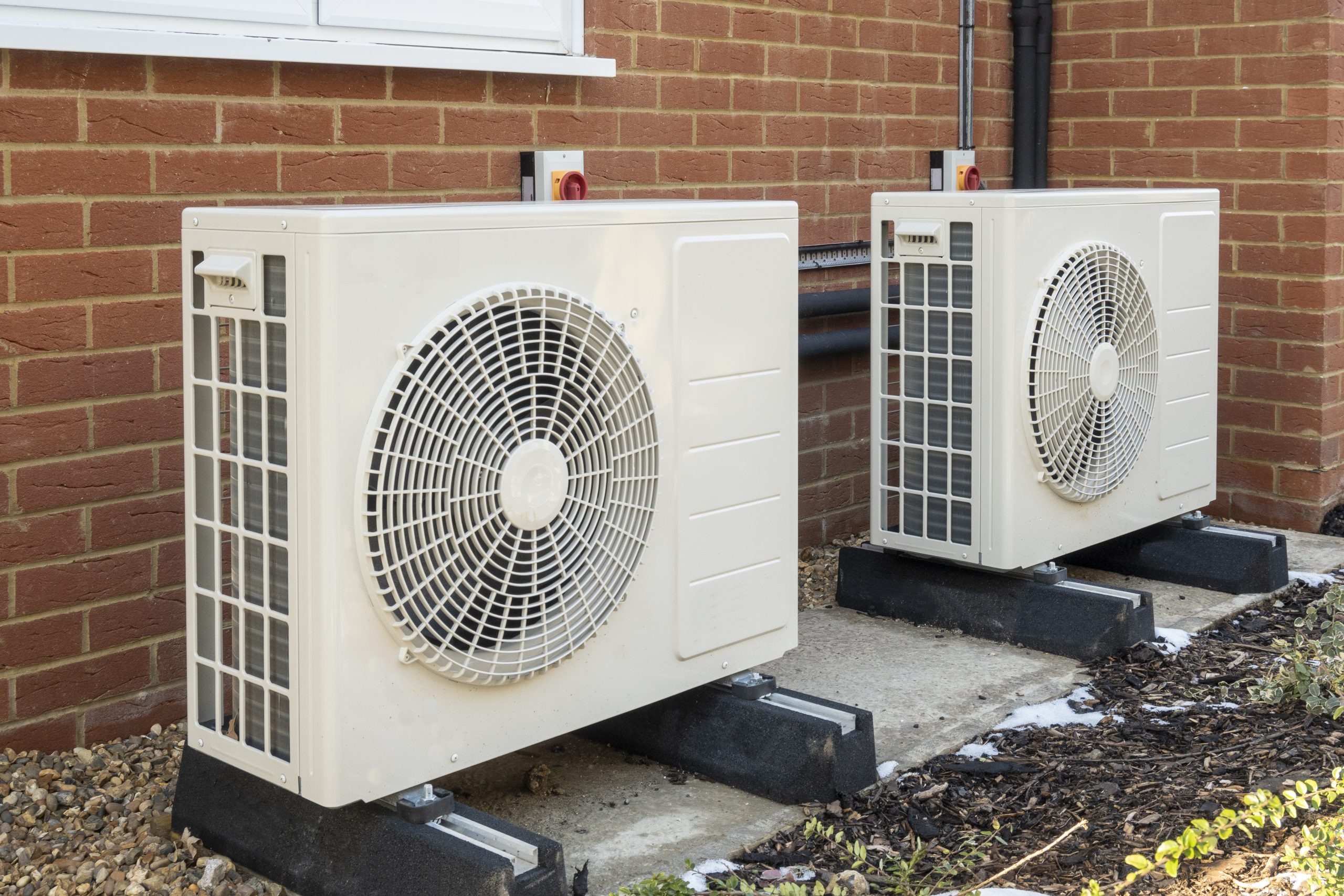
If you’ve ever spotted an air conditioning unit whilst sunning yourself abroad, then you’ve already got a good idea of what an air source heat pump looks like. They use one simple and renewable energy source – air! They work by extracting energy from the air outside of your home and converting it into heat inside your home.
Air source heat pumps have the potential to lower your fuel bills and you may even be able to receive an income as part of the Government’s Renewable Heat Incentive (RHI).
How do air source heat pumps actually work?
Put simply, air source heat pumps use a similar technology to a household fridge, but in reverse. Rather than drawing in warm air and cooling it down to keep your food cool, they take the cold outside air and turn it into cosy heat to warm your home. This is what makes these pumps so efficient: they don’t generate energy, they transfer energy that already exists.
Due to their sophisticated technology, air source heat pumps continue to make use of the energy in the air outside down to temperatures as low as -15°C!
So, how do they work? Here’s the technical bit.
- Heat pumps contain a liquid refrigerant (just like your fridge). As air passes through the system, heat is absorbed from the air temperature outside, warming the refrigerant and turning it into a gas.
- This gas is then compressed, increasing its pressure and causing the temperature to rise.
- The now hot gas passes into a heat exchanger where the heat is transferred to surrounding cool air or water.
This is then distributed throughout the home to provide heating and hot water.
The two main types of system

Air to water heat pumps
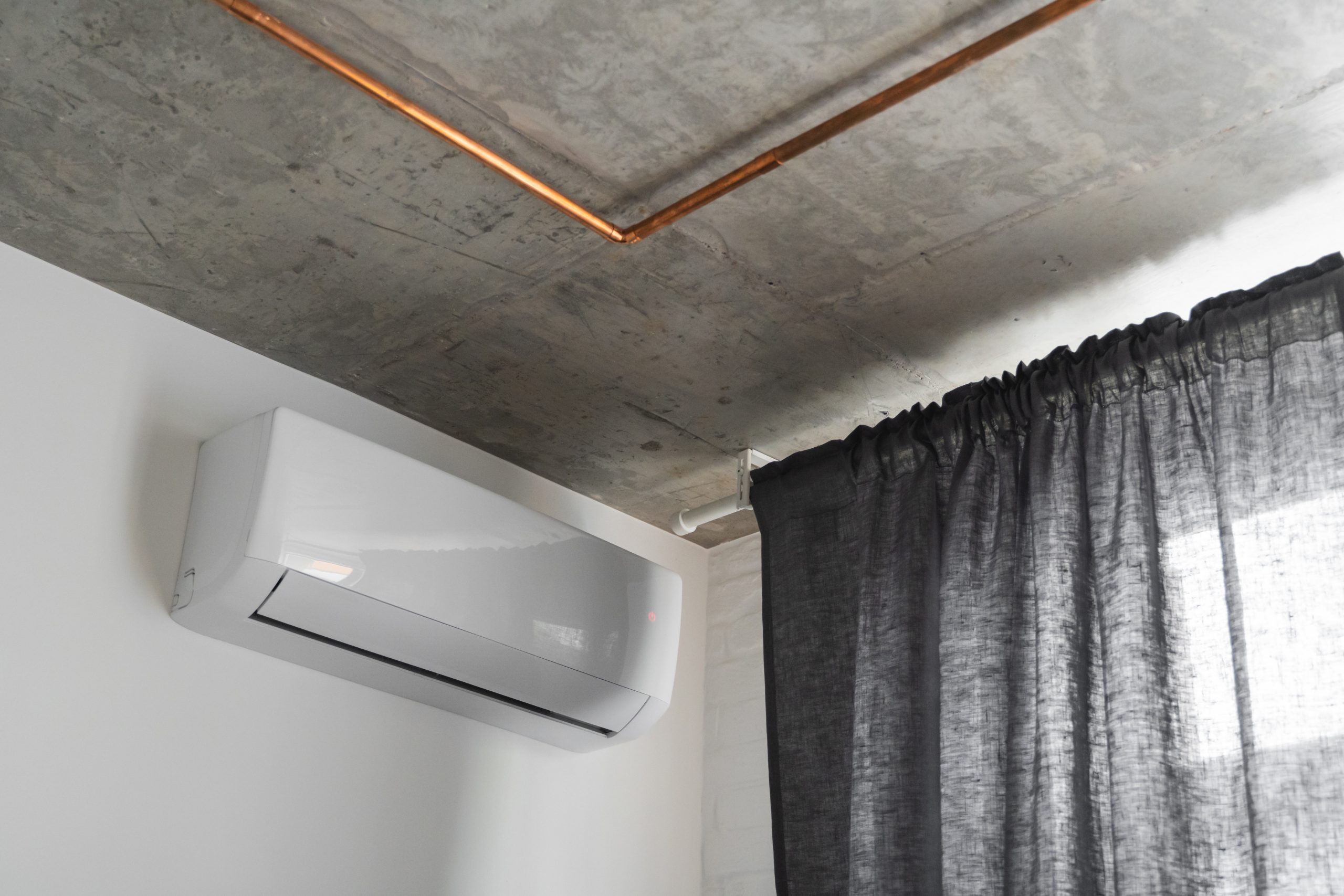
This is the most common system in the UK. It works by transferring the heat from the air outside to water, which is then distributed around a wet central heating system, such as radiators or underfloor heating. Unlike gas and oil boilers heat pumps deliver heat at lower temperatures, over longer periods. This means that whilst your radiators might not feel as hot to the touch, they will produce a more comfortable and consistent temperature. Air to water systems can also be used to produce hot water for taps and showers.
Air to air heat pumps
The hot gases produced from the heat pump are used to heat air which is blown directly into the home. Some of these systems can also be used in the summer to keep your home cool, much like an air conditioning system, but these systems are unable to produce hot water. If you’ve got a traditional wet central heating system in your home (such as a boiler and radiators), this kind of system usually requires more adaptation at the installation stage, as it can’t make use of these more traditional
fittings in transferring heat around
the home.
Hybrid systems
There are different versions of hybrid heating systems available, which are generally combinations of conventional fossil fuel boilers (for example natural gas) and a heat pump. In systems like this the heat pump is used to maintain a low level of heat in the home, but during particularly cold spells or when high levels of heat are required, the fossil fuel boiler kicks in to ensure the heat pump doesn’t need to work too hard.
So, a heat pump system works in a slightly different way to a conventional boiler. The way it distributes heat around your home might well be the same (such as via radiators), but the idea with a heat pump is that you’ll have a more consistent, but slightly lower temperature throughout the house. Whereas you often feel an intense heat from your radiators if you’ve got a fossil fuel boiler, that kicks in for a specified period of time to bring a rush of heat to the house, you might find with a heat pump that the heating is on for longer but brings a more consistent temperature.
What this really means is that to make the most of a heat pump system, you have to learn to use it differently to your conventional boiler. You might have to play around with temperatures and settings to get it right for you, and it’s possible you’ll need to think about installing larger radiators (or underfloor heating if you have the means and this would suit your property) to make the most of it. This isn’t always the case though, and we’ll explore some of these factors below.
What will an air source heat pump cost?
The installation of an air source heat pump sometimes means both the installation of the pump and of other parts of the heating system, such as radiators and pipework. This varies from property to property and is not an exact science, but generally speaking draught-proofing and insulating your home effectively is a good place to start.
Altogether, the average cost of an air source heat pump is somewhere in the region of £7,000–£13,000, dependant on the brand, model and size of the pump. Aside from the pump itself, other factors that will affect pricing include the size of your home, whether it’s a newbuild or existing property and whether you need to change the way you distribute heat around your property (such as installing larger radiators to distribute heat more evenly).
Running costs will also vary depending on a number of factors. The size of your home and whether it is insulated effectively will have an impact on cost, as well as which pump you choose and the design of your heating. It’s also important to remember that the temperature of the air outside will have a direct impact on how hard the pump needs to work to produce sufficient heat, so in the winter it’ll be working much harder than the summer.
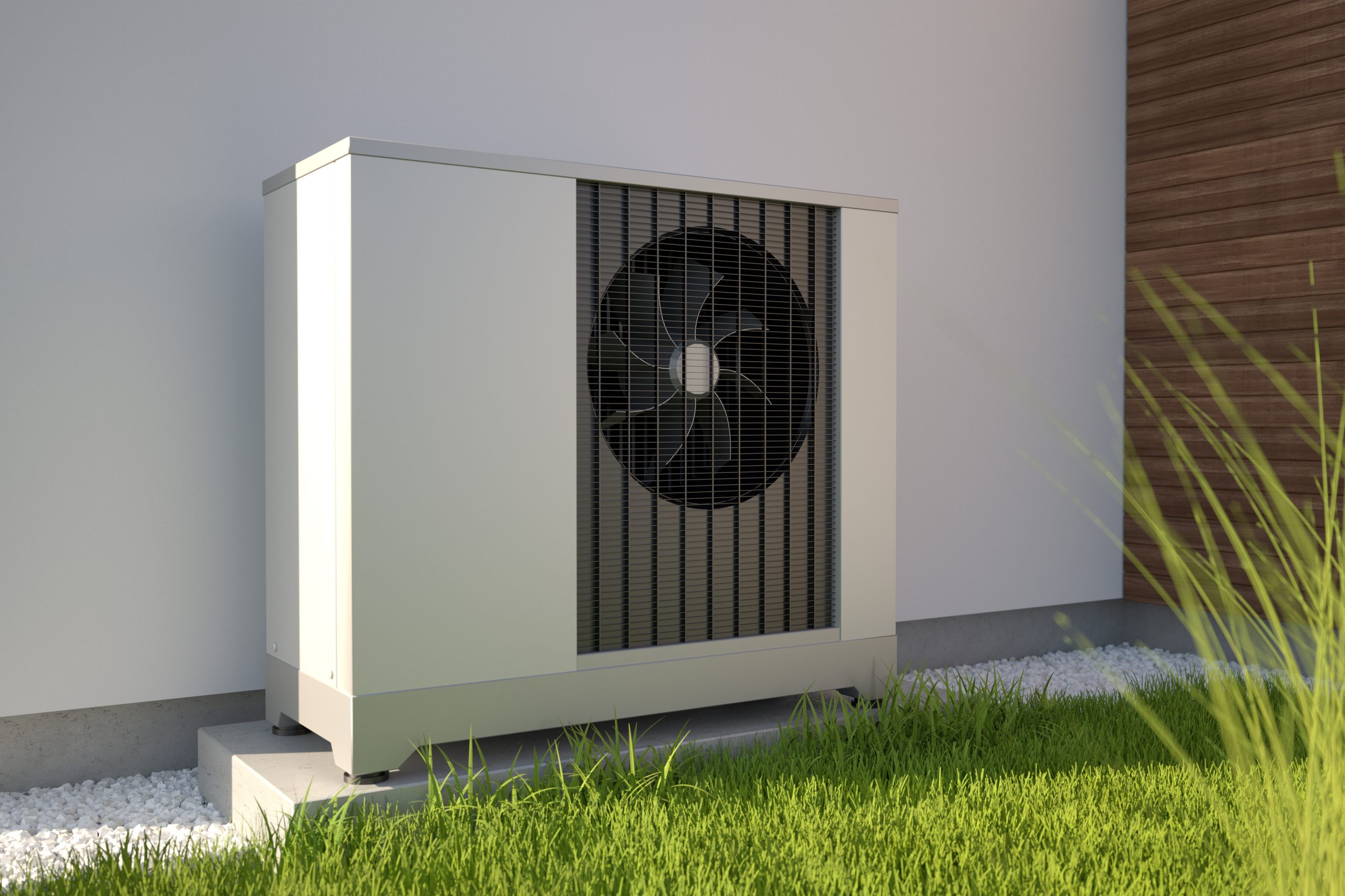
Air source heat pumps only work in properties that have some outside space, as the unit has to be fixed to an external wall with room for airflow around it.
The amount of money you will save from your annual fuel costs will depend on a range of other factors:
The type of heating system you are replacing
You will still have to pay fuel bills with a heat pump, because they are powered by electricity. The more expensive the fuel you are replacing, the more likely it is that you will make a saving. With the ongoing energy crisis, you may not see savings in the short term. However, although air source heat pumps aren’t currently the cheapest way to heat your home, they are a futureproof choice.
The way heat will be distributed throughout the house
Underfloor heating can be more efficient than radiators because the water doesn’t need to be as hot for the system to work effectively. However, in most cases you’ll simply be able to ‘add’ an air source heat pump onto your existing system, or you’ll only need to make small changes such as improving your insulation.
Fluctuating energy prices
Right now, the energy crisis means that electricity prices have soared and if you invest in an air source heat pump, you might not see an immediate difference in your energy prices.
However, experts believe that growing renewable energy production will lead to electricity becoming cheaper to generate, while gas prices will continue to soar. Electrification is the future of affordable heating, so an air
source heat pump could be a wise investment.
Other things to think about when considering a heat pump
Air source heat pumps are very efficient to run because the amount of heat they produce is more than the amount of electricity they use.
They are a low-carbon way of heating your home. As a heat pump captures the heat that’s already in the environment, the system itself emits no carbon dioxide emissions! This is also great news for air quality.
They typically last around 20 years, longer than traditional boilers.
Heat pumps don’t need to burn fuel to create heat, which makes them considerably safer than boilers. Unlike boilers (particularly older models) there is no risk of gas or carbon monoxide leaks.
Some models can have rather noisy outdoor fans. However, manufacturers are working on new ways to keep noise levels low and ‘whisper quiet’ models are now available.
Air source heat pumps do use some electricity to run, so there is still a fuel and carbon cost. You can reduce this impact by using a renewable energy supplier.
You will need to contact the relevant planning authority to check whether planning permission is required, particularly if your building is listed. For properties in England and Wales, you can find out more information at Planning Portal.
Maintenance
Heat pump systems typically come with a warranty of two to three years. You can expect them to operate for 20 years or more, however they do require regular scheduled maintenance. You should check your pump annually and have a more detailed check carried out by a professional installer every three to five years. The installer should leave written details of any maintenance checks you should undertake to ensure everything is working properly.
Finding an installer
Finding the right person to carry out major work to your home can be a daunting challenge. To help property owners make the right decision, we run an established database of suitably qualified local installers. To get started, simply visit the Link to Energy website and enter your postcode or town.
Renewable technologies should always be installed under Microgenration Certification Standards (MCS). You can find MCS accredited installers online. We would always recommend getting quotes from more than one installer when you are considering having work done.