A guide to...
Using and buying appliances
When it comes to electrical appliances, significant energy-savings can be made by both buying the most energy efficient appliances possible and using your existing appliances in a more efficient way.
Purchasing electrical appliances
The EU energy label
The EU energy label rates each appliance for its energy efficiency on a scale from A to G. This means that most new appliances are now A rated and you need to look for A+ and above to find the most efficient appliances. It is also worth bearing in mind that the rating takes account of the size of the appliance. This means that an A rated 42” TV will use considerably more energy than an A rated 32” TV. Therefore, if you want to find the most energy efficient appliance, look for the best rating for the smallest appliance that meets your needs.
Alternatively, the label also shows the wattage of the appliance and how much electricity it will use per year given average usage. These figures allow you to more accurately compare the energy consumption of appliances of different sizes.
Energy Saving Trust Verification
The Energy Saving Trust has an online database where you can gain energy efficiency information on a wide range of appliances that have been independently verified. The database can be found at www.energysavingtrust.org.uk/domestic/est-online.
Did you know?
Plasma TVs tend to use a lot more energy than similar sized LED or LCD TVs.
Laptops typically use 85% less electricity over a year than desktop PCs.
Disposing of old appliances
Electrical items need to be disposed of carefully. Items which have the image of a wheelie bin with a cross on them should not be disposed of using the general household rubbish collection. These items include everything from large white goods to energy saving light-bulbs. By keeping waste electrical equipment separate from other waste, the hazardous substances can be removed and other parts can be recycled rather than sent to landfill.
If you are buying new electrical appliances, retailers are obliged by law to either:
- Take your old appliances off you free of charge in store.
- Tell you where you can take your old item for recycling free of charge.
Alternatively you can take your old equipment to your nearest recycling point, or ask your local authority to collect your bulky items. However, some may charge for this service.
Using appliances
As well as buying energy-efficient appliances you can also save energy by using your appliances more efficiently. Even though the savings for each individual appliance or action may seem small, these soon add up.
Goodbye standby
For example, you can save around £30 a year just by remembering to turn your appliances off at the plug rather than leaving them on standby. Most appliances can be turned off at the plug without upsetting their programming. However, you will want to leave TV recording devices on at times when they are set to record programmes. You can also buy standby saver devices that turn off all connected devices when you turn off your TV or computer, as well as those which allow you to completely turn appliances off using your remote control.
Charging gadgets
Chargers continue to consume energy even once the appliance is fully charged. Nearly half of us regularly over-charge our gadgets. The most frequently over-charged gadget is the mobile phone as these are often left on charge overnight or people simply forget they’re plugged in.
Try to remember to turn off or unplug chargers as soon as the appliance is fully charged. You can also buy saver sockets that cut the power to chargers as soon as the item is charged.
Saving energy in the kitchen
There are significant energy savings to be made in the kitchen:
Only fill the kettle with the amount of water that you need and save around £7 a year. On average, a UK household boils the kettle 1,500 times a year!
Fridges and freezers
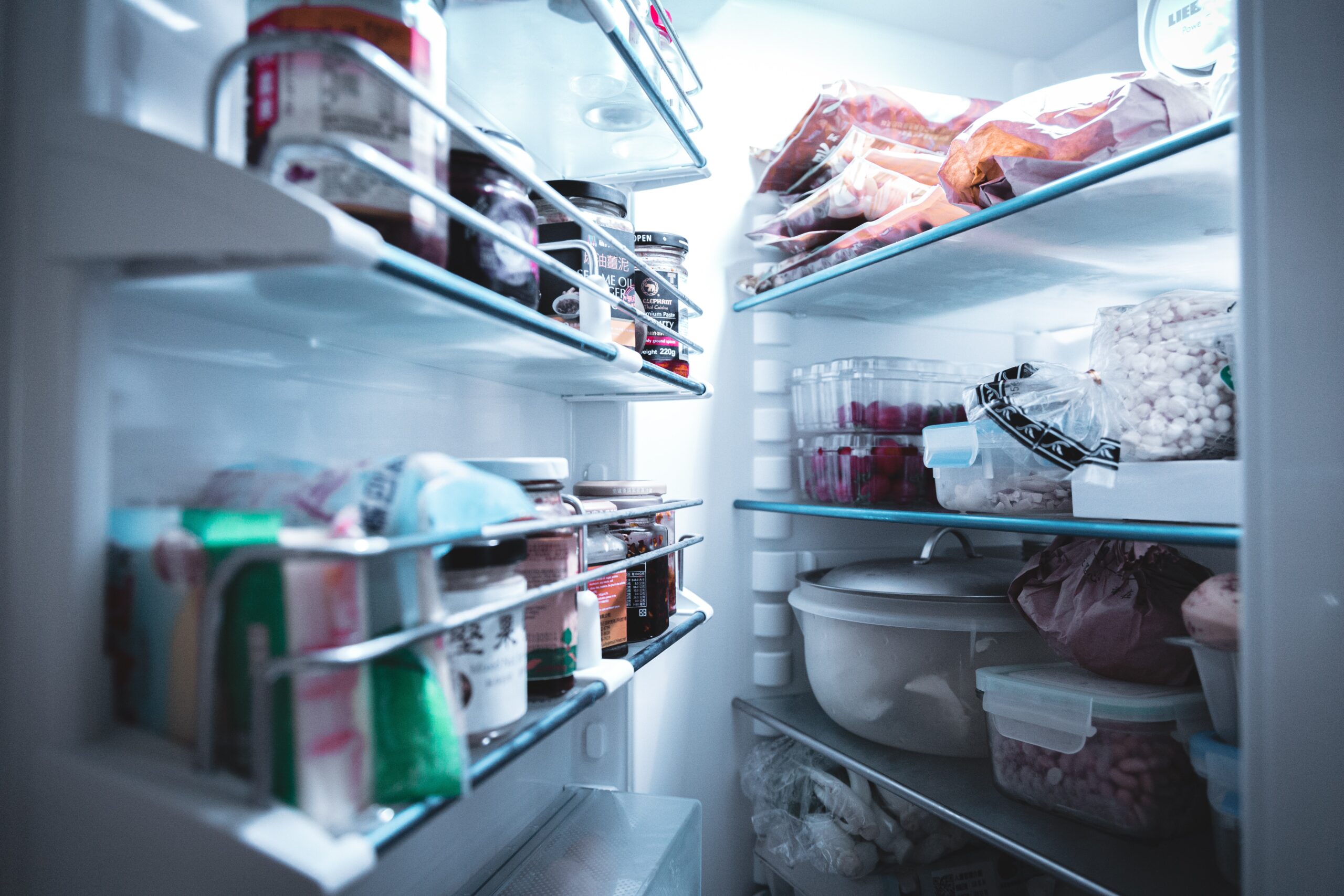
- Believe it or not, keeping your fridge and freezer full saves energy. It takes more energy to keep an empty space cool.
- Don’t leave the doors open for too long.
- Defrost fridges and freezers regularly. Frost build-up increases the amount of energy needed to keep them cool.
- Don’t place your fridge or freezer in direct sunlight or near your oven.
- Make sure the doors seal effectively.
Dishwashers
- Wait until you have a full load before turning on the dishwasher (and other appliances).
- Use the shortest cycle possible that still cleans your dishes effectively.
- Only use high temperature programs when absolutely necessary.
- Use the air power or overnight dry setting. This automatically turns the dishwasher off after the rinse cycle and can save up to 10% of dishwashing energy costs.
Cooking
- Microwaves generally use less energy than ovens. This is because microwaves use
- Use slow cookers; they can be as much at 75% more energy efficient than stoves and ovens.
- If you’re going to use the oven, bake a few meals at a time to get the most out of having your oven on.
- Use the right ring for the right thing. Don’t use a small pan on a large ring, as much of the heat will be wasted as it escapes around the sides of the pan.
- Keep the lid on pans when you are cooking.
- Avoid opening the oven door repeatedly to check food while it cooks. This allows heat to escape and requires more energy to complete the job.
- Don’t preheat the oven unless absolutely necessary and then for no more than 10 minutes.
- Wait until you have a full load before turning on the washing machine (or use a half-load setting if you have to).
- Dry clothes outdoors on a washing line whenever possible.
- If it’s not dirty, wash at 30°C. Up to 90% of a washing machine’s energy use is from heating the water, so if you wash your clothes at a lower temperature, you can achieve significant savings.
- Take your clothes out of the dryer before they’re completely dry – as well as saving energy, they’ll also iron much easier.
Home entertainment
In most homes, entertainment equipment accounts for about ten per cent of the electricity bill, so there are plenty of opportunities to save:
Put computers to sleep or hibernate if they’re not being used for short periods of time. This will leave all your programmes etc. left as they are, so you can carry on when you return. You can set computers to automatically hibernate after a set period of inactivity.
Shut computers down when they are not being used for longer periods.
Check to see if appliances such as TVs, stereos etc. have low power settings that you can use.
Using an energy meter
Many people find that installing an energy meter is helpful as it enables them to see which appliances are using the most energy and where the biggest savings can be made. Some energy companies are currently giving these away free, so check with your energy company to see if you might be able to get hold of one.
More advice
Our advisers are on hand to answer any questions you may have, and may also be able to offer you a free home visit to provide in-depth advice specific to your property and needs. Give us a call on 0800 500 3076 for more information.